Grounded Kids, Strong Futures

Foundations of Everyday Frugality
Kitchen-Table Money Moments
Spread out coins, a notepad, and three jars labeled spend, save, and give. Share a story about a time you waited before buying and felt proud later. Compare store brands with kids, predict totals, then check receipts together. Celebrate honest mistakes as learning. Ask your child to choose a cause for the give jar and explain why it matters.
Needs Before Wants
Create a simple family rule: pause one sleep before nonessential purchases. Walk through examples like groceries versus gadgets, winter boots versus trendy sneakers, and library books instead of new paperbacks. Invite kids to help prioritize a monthly wishlist. Track feelings after waiting, noticing how desire fades or clarifies. Applaud wise choices, not just savings, and discuss trade-offs openly.
Repair, Reuse, Reimagine
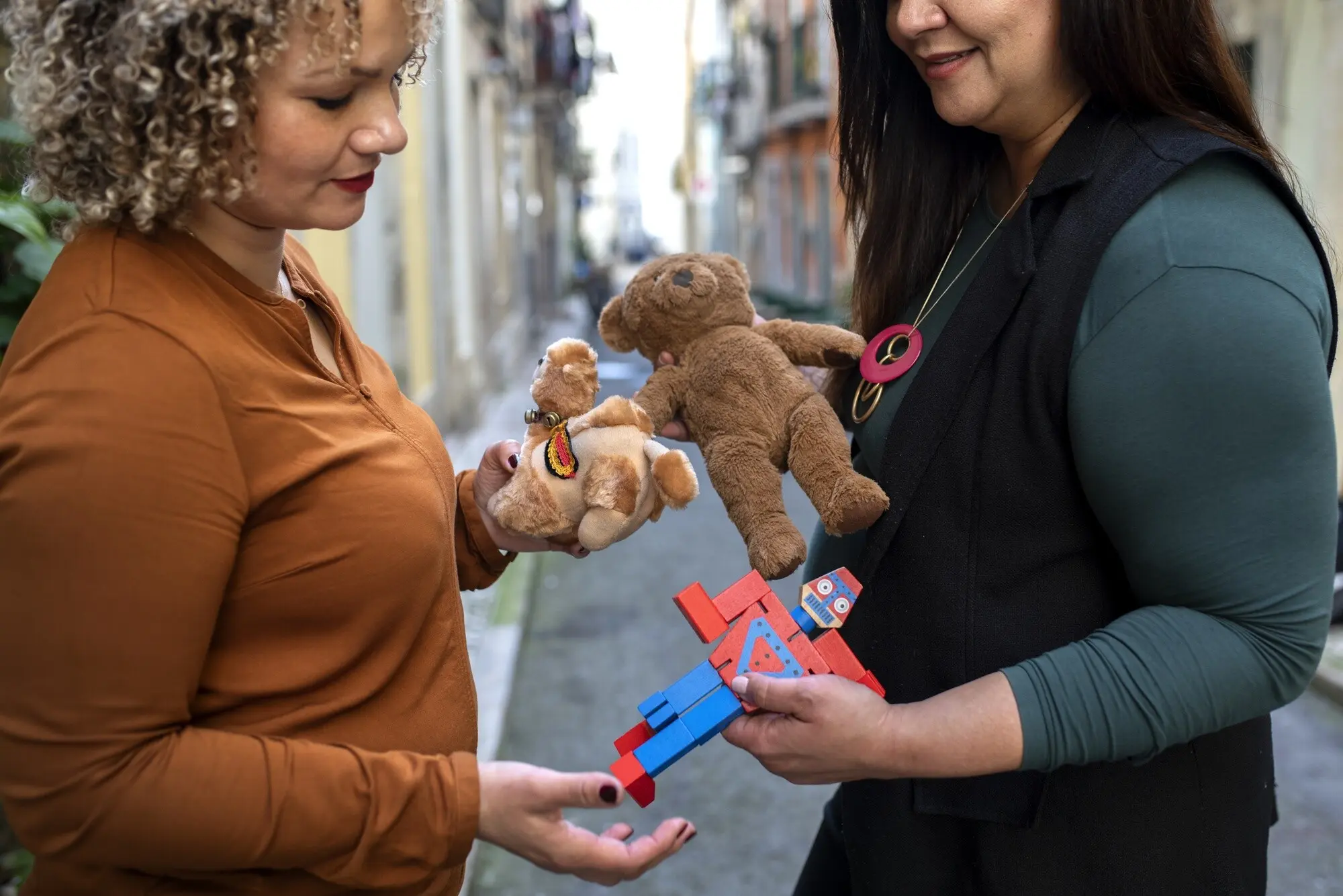
Host a fix-it evening with fabric patches, glue, and curiosity. Mending a stuffed animal together teaches patience and care. Turn a ripped shirt into cleaning cloths or a superhero cape. Share before-and-after photos to celebrate creativity. Visit your library, tool library, or community swap to borrow rather than buy. Let children suggest crafty transformations and lead the reveal.


Resilience Muscles in Daily Life
{{SECTION_SUBTITLE}}

Name, Normalize, Navigate
Calm Corners and Co‑Regulation
Routines That Keep Values Alive
Meaningful Chores
Link tasks to contribution, not just compliance. Explain how sorting laundry lightens everyone’s load, watering herbs flavors dinner, and wiping tables welcomes guests. Offer visual guides, teach once, then step back. Consider base responsibilities separate from optional paid jobs. Rotate roles so siblings practice many skills. End with a quick celebration—music, a goofy dance, or shared tea.
Weekly Family Meetings
Keep it short and warm. Start with appreciations, review calendars, and choose one money decision together—perhaps planning a picnic with a set amount. Use a simple agenda kids can help lead. Pass a talking object to reduce interruptions. End with a small ritual, like a group cheer or gratitude breath. Post decisions visibly and check progress the next week.
Screens With Intention
Align media with values: curiosity, empathy, and creativity. Co-create a schedule, silence autoplay, and discuss advertisements as persuasive stories, not truths. Swap some scrolling for board games, backyard forts, or neighbor visits. When a plan slips, reset without shame. Ask kids to recommend shows that inspire action, then try something offline sparked by the episode’s best idea.

Stories, Media, and Mentors
Books That Plant Steady Roots
Visit the library and let kids choose within thoughtful guideposts. Seek stories where characters solve problems creatively, fix instead of toss, and say thank you specifically. Add sticky notes with questions about choices made. Revisit favorites and notice new layers each year. Librarians love to help; ask for titles that highlight perseverance, community care, and money mindfulness.
Films That Show the Bounce Back
Pick age-appropriate movies where setbacks spark growth. Pause to ask, “What choices did they have? What might you try?” Name emotions on screen, then compare to real-life moments. Praise characters’ effort, teamwork, and apology-making over miraculous luck. Afterward, act on inspiration: mend something, write a note, or try a new skill the story celebrated with heart.
Real‑Life Mentors
Invite neighbors, shopkeepers, nurses, or family friends to share how they budget, learned a craft, or handled tough days. Prepare kids to ask respectful questions and listen closely. Offer a small homemade thank-you—cookies or a drawn card. Reflect later on lessons heard. Mentors make abstract values practical, believable, and wonderfully human in children’s everyday worlds.
Community, Service, and Shared Resources
01
Family Volunteering
Choose roles kids can truly do: sorting canned goods, writing cheerful notes for care packages, or handing cups at a fun run. Keep sessions short and debrief afterward. Ask, “Who did we help, and how did it feel?” Tie the activity to your values and budget goals. Regular, bite-sized service gradually builds confidence, compassion, and shared family pride.
02
Swap and Share
Host a toy or book swap with friends. Set clear tables, label ages, and encourage children to choose respectfully. Track how many items found new homes and estimate money saved together. Visit a tool library before buying equipment. Model borrowing etiquette and gratitude. These practices show that community access often beats ownership, lightening closets and lifting neighborly ties.
03
The Giving Jar
Decide on a small percentage of allowances or side earnings to give away. Collect stories of local needs, then let kids research and vote. Deliver donations in person when possible, noticing faces and hearing impact. Record choices in a simple ledger. Transparency builds trust, and repeated generosity steadily strengthens identity: we are people who notice and respond.
Support for Caregivers
Model What You Want to See
Narrate choices aloud at the store: “We’re choosing the bulk oats because they cost less and taste great.” When impatience flares, pause, breathe, and try again. Repair ruptures with, “I yelled. That was unhelpful. I care, and I’m working on it.” This candid, respectful modeling shows children real tools, not perfection, guiding them toward sturdy self-trust.
When Plans Go Sideways
Expect detours and treat them as information. If a chart fails, simplify it. If an allowance system confuses, revise together. Name frustrations without blame, then design a new micro-step to test. Keep humor close—laughing loosens fear. Celebrate do-overs as courage, not defeat. Over months, these tiny adjustments accumulate into durable, family-specific practices everyone understands and supports.